
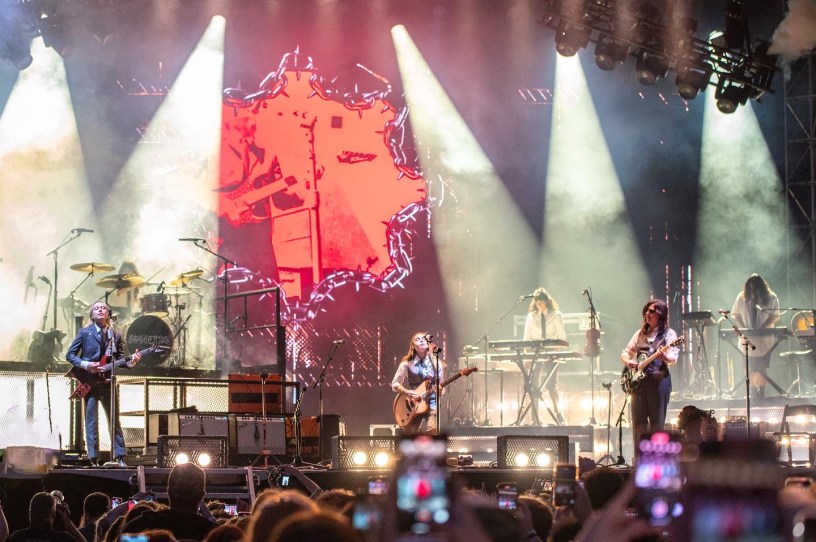
Well, not entirely, but dang it’s been fun seeing what it’s all about!!
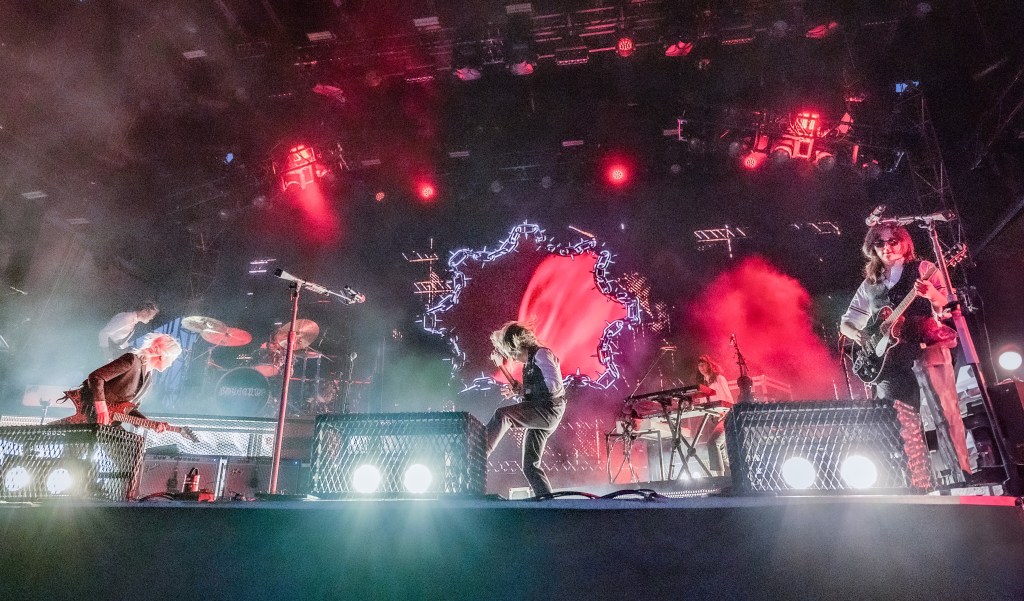
Music has always been my passion, and frankly so has photography so when I put those two things together it was like scratching a niche I didn’t know needed to be scratched. What follows are the top 5 observations I’ve made along the way that might or might not be of assistance to those interested in delving into live music photography. I welcome your thoughts and personal insights as well!
OBSERVATION 1 – Start small and familiar.
Start small and familiar and one thing will definitely lead to another. My first opportunities to shoot concerts was at a small local theater at which I am a board member. Part of my “give back” to that organization was, and continues to be, providing photos of the live acts for their social media pages. To this day I’ve been able to shoot a lot of great bands, both those I know well, but also some I’ve never heard of before. I appreciate this opportunity everyday!
Realizing it’s not always possible to be involved with a local theater, I’d suggest reaching out to local bands or venues and inquire about taking photos at an upcoming show. I’ve found that up and coming musicians and bands love to have images of their live performances and will gladly add you to a guest list of an upcoming show in exchange for photos. If you’re a portrait photographer, even better, as bands may want some publicity photos for their social media. You will almost always find contact information for band management on band websites, and don’t be afraid to make contact directly with musicians by messaging on Instagram or Facebook.
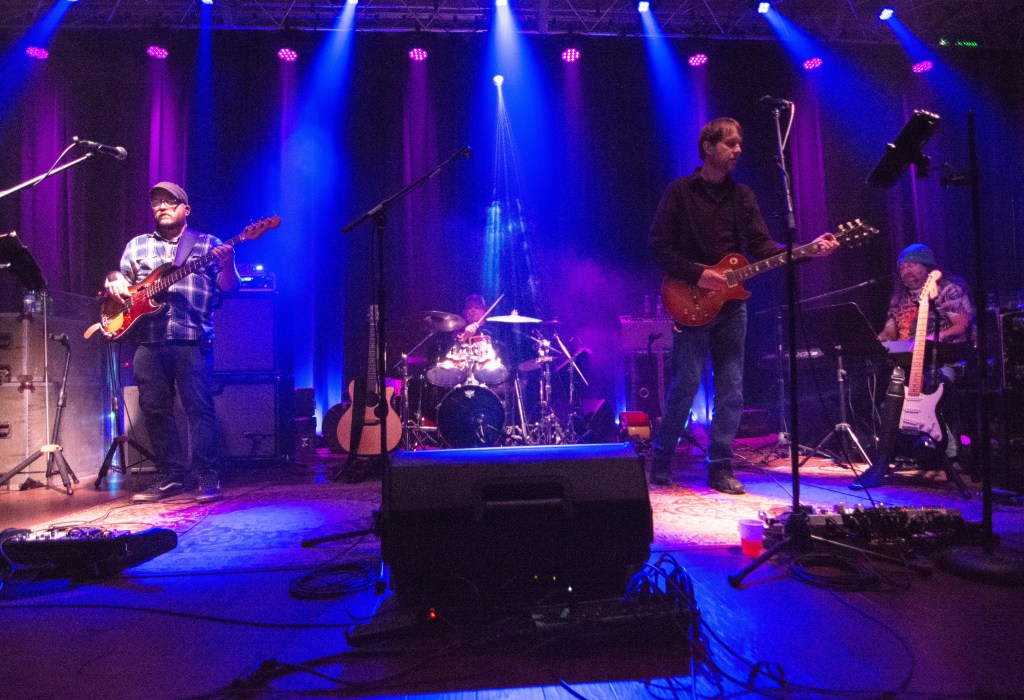
I have also had luck photographing artists at small venues in places I’ve traveled. Just for fun, find a small venue in a town you’re planning to visit, see what’s on the calendar, and reach out to the artists to see if they’ll give you a pass in exchange for images at the show. The more contacts you make the better, and the more you shoot the more confident you’ll become.
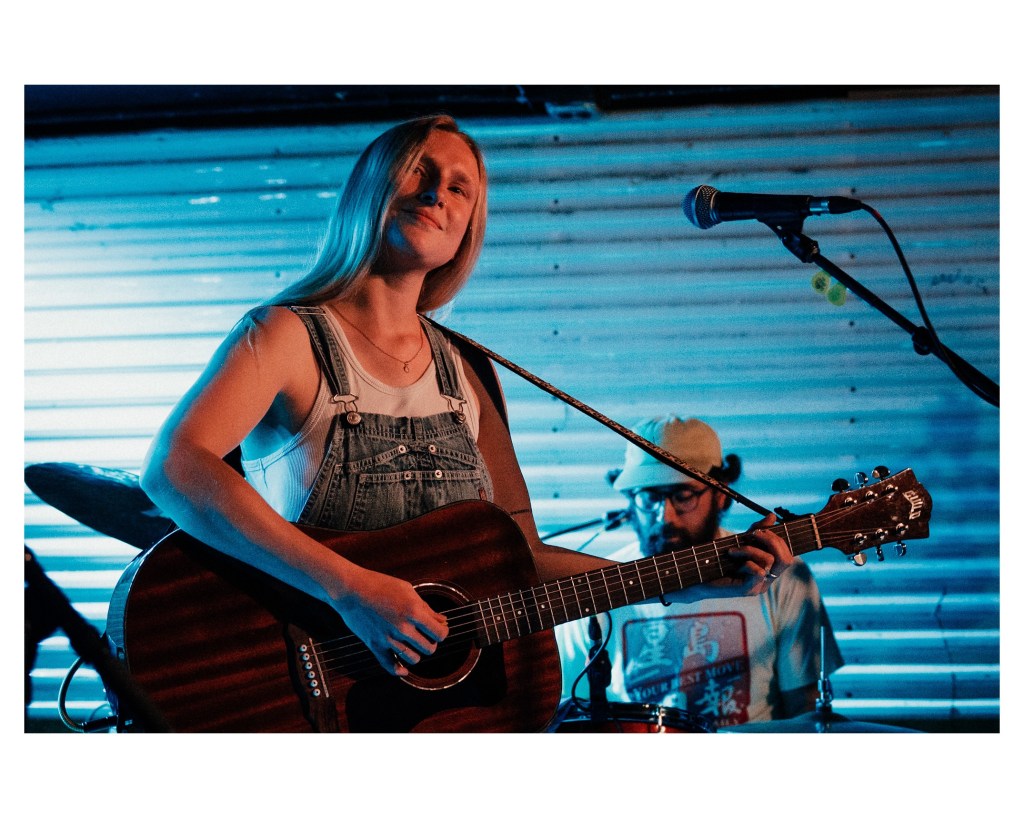
OBSERVATION 2 – Expect to own (or rent) a camera and lens or two that work well in low light.
Cameras have gotten significantly better in recent years when it comes to producing images in low light (even cell phones!). Most high quality concert photography (unless being shot outdoors) will require the ability to shoot “wide open” (at apertures of f/2.8 to f/4.0) and to significantly boost the ISO to values of 2000 and higher without producing noticeable grain. If you’ve been on the fence as to whether to upgrade your camera, concert photography might be the perfect excuse to take the plunge. I upgraded from a very nice crop sensor Nikon DSLR to a full frame mirrorless and couldn’t be happier. Unfortunately, that’s usually the cheapest upgrade (granted not cheap). The lenses are what will get you every time and splurging for an f/2.8 lens to match that new camera body will definitely set you back. I would highly recommend renting a camera and lens first, but by all means give the gear you already have a try first!! As for lenses, a range of focal lengths will give you a lot of options in a lot of different situations from up close, to in the back of the venue. My go-to lens for most any situation is my 70-200mm f/2.8. I use it up close and far away and everywhere in between. The second-most used lens in my bag is a 24-70mm f/2.8 which will give a great wide view and allow for nice clear zoom at reasonable distances. Super wide angle lenses are a lot of fun if you’re able to be right up in front of a band or on stage. They are pricey though and I’d rent first to see if you like one enough to own.
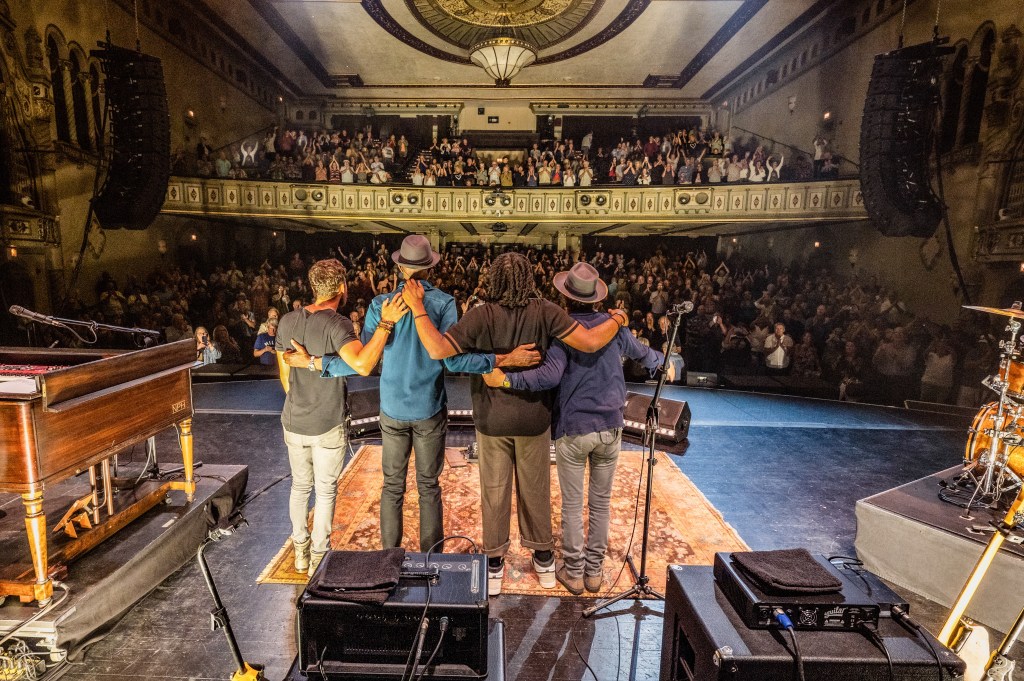
OBSERVATION 3 – Build a portfolio and watch some doors open
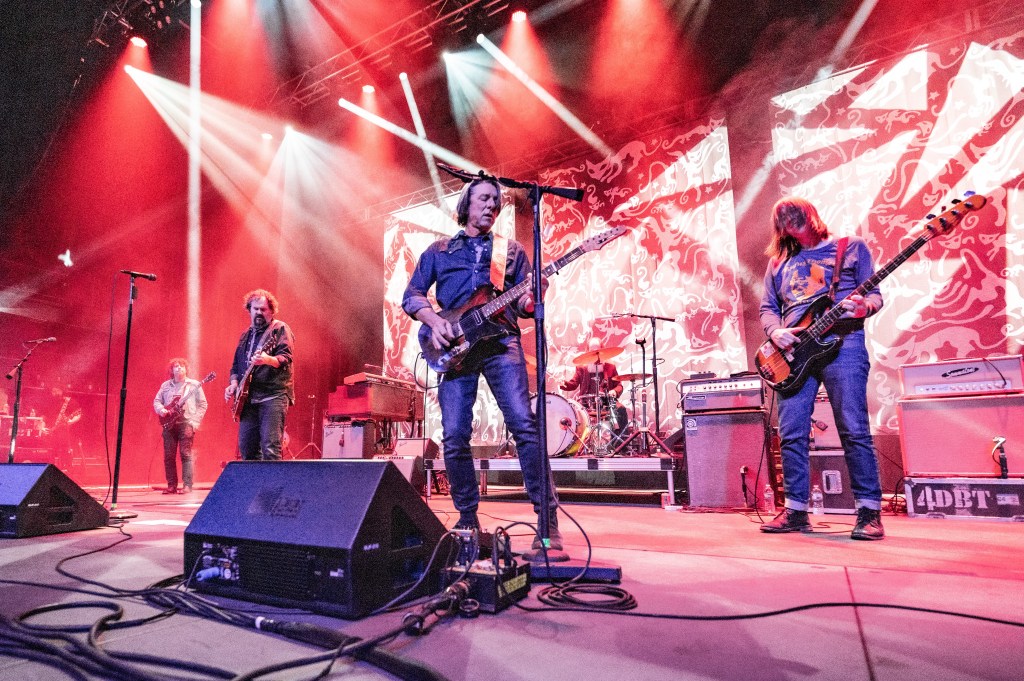
Once you’ve started shooting artists and shows at some smaller venues and events, pull together a few of your best images into a portfolio on-line that you can easily share. This is important as it serves as “proof” that you actually know what you’re doing and gives artists, their managers, venues, and publications the confidence to give you a photo pass or opportunity to shoot a show. Unless you’re a house photographer for a venue, touring with a band as their photographer, or freelancing for a publication of some sort, you will likely be forced to “cold call” for access to shows. I’ve found that this is actually easier than it may sound. The motto, “the worst they can say is no” applies here and I’ve been surprised by how often I’ve been told “yes!” The biggest shows I’ve photographed have all been through cold call asks (boygenius, Goose, Death Cab For Cutie, and Drive-By Truckers to name a few). Sometimes you have to be creative in your ask. You may not be able to get a response from a band you want to shoot or their manager, but try next with the warm-up band. I got a photo pass in exchange for free images from one of 3 warm-up acts at the boygenius show in Columbus, OH and as a result had access to shoot all 4 bands at the show. The key though, is to have a good portfolio of example images to share along with your ask.
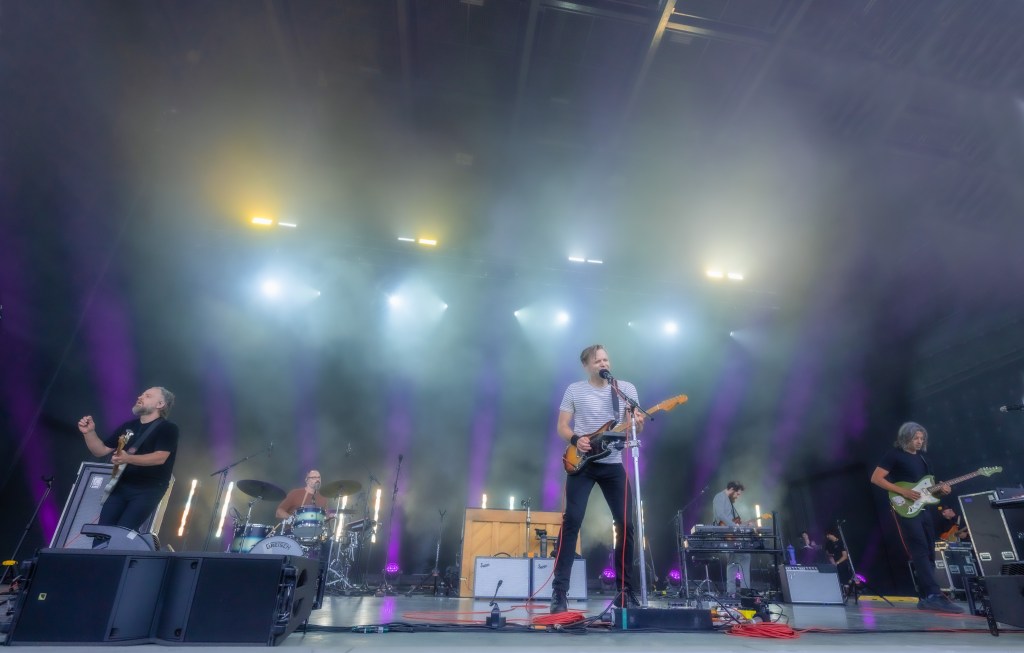
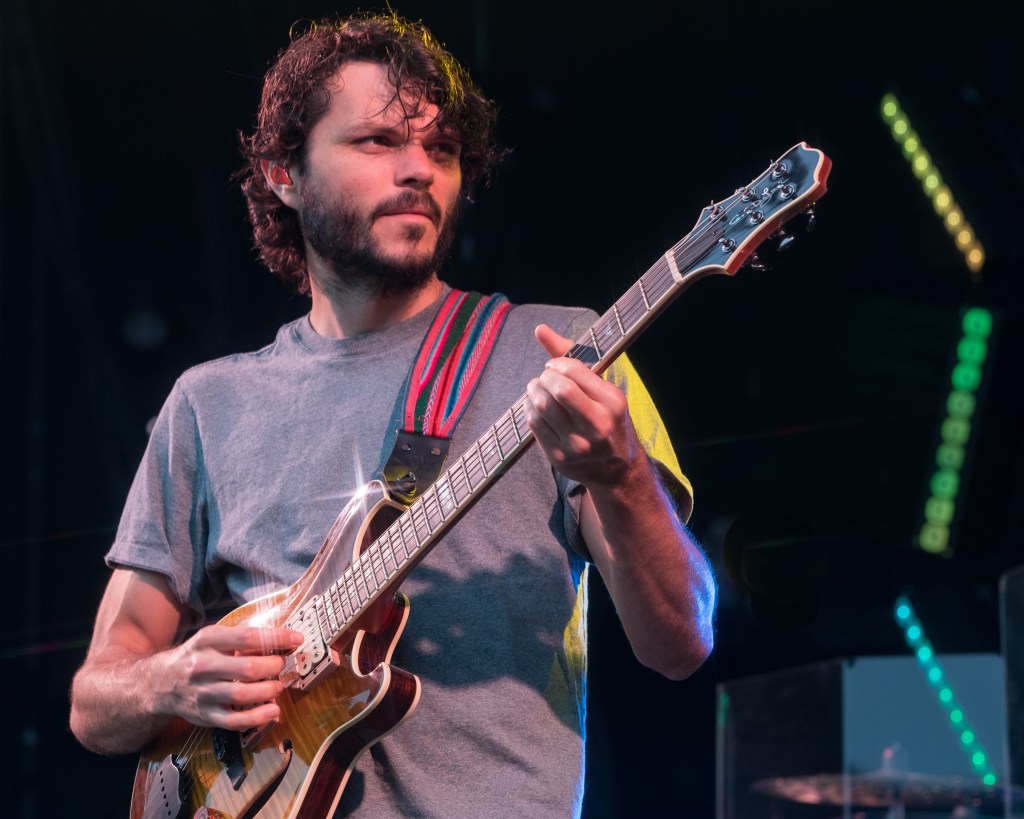
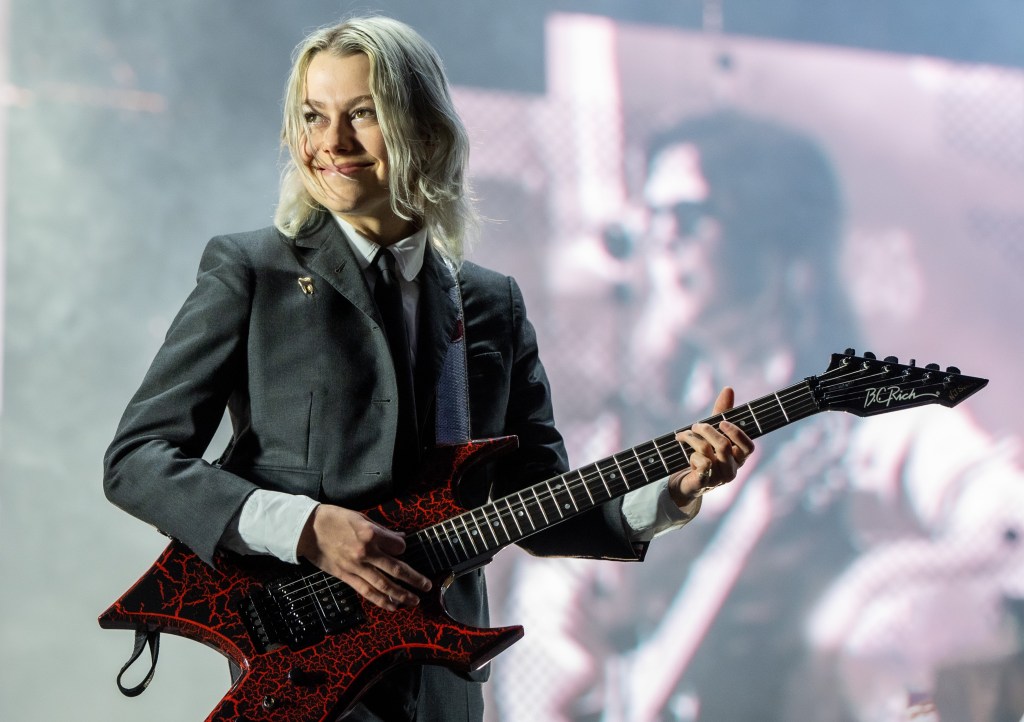
OBSERVATION 4 – Be respectful, of everyone involved.
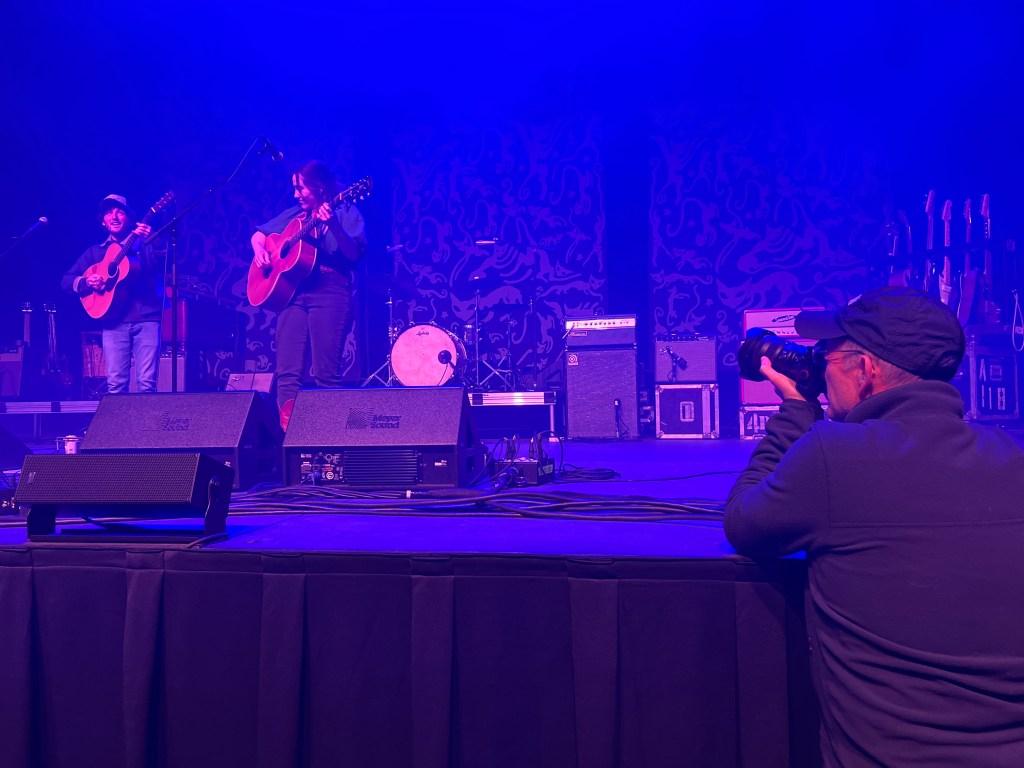
This may sound obvious, but I will tell you that respect and courtesy go a long way to ensuring you will be invited back to a venue or to shoot an artist. I’m talking about ticket takers, ushers, road crew, sound engineers, guitar techs, and the musicians themselves. Share your information with folks at venues and learn their names so you can connect with them again in the future. Follow artists on social media and comment on their posts. Tag artists and managers on posts and thank them for the access to take photos. Ninety nine percent of the time you are a guest in this environment and so acting like a guest will show you respect the jobs the crew and staff have to do to make a show go off without a hitch. ALWAYS be sure to follow photography rules for the show and the venue. Some bands will give you unrestricted access while others may only let you shoot a limited number of songs in the set. Don’t abuse the rules, even if you think you can as you’re only ruining the ability for photographers to continue to shoot a particular artist or at a particular venue. Lastly, dress like you’re part of the crew. Black pants, shirt and shoes. You want to be discreet when photographing and that not only includes blending in when the house lights are out, but avoiding obstructing the view of the fans that have paid money to see a band.
OBSERVATION 5 – Don’t forget the drummer (or the bass player, or the fiddle player. . .)
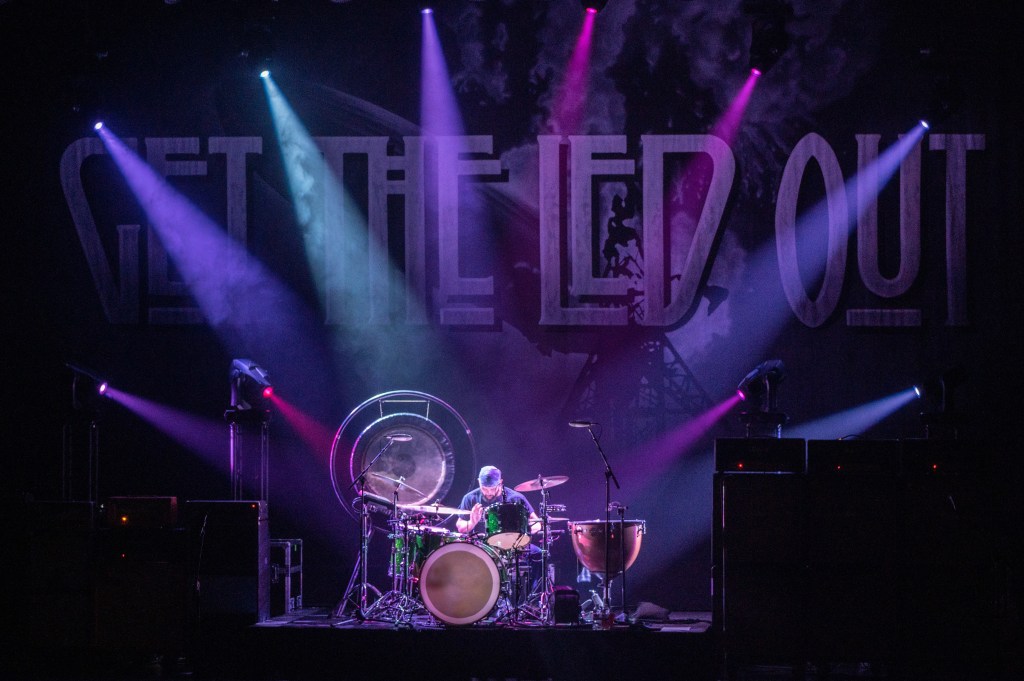
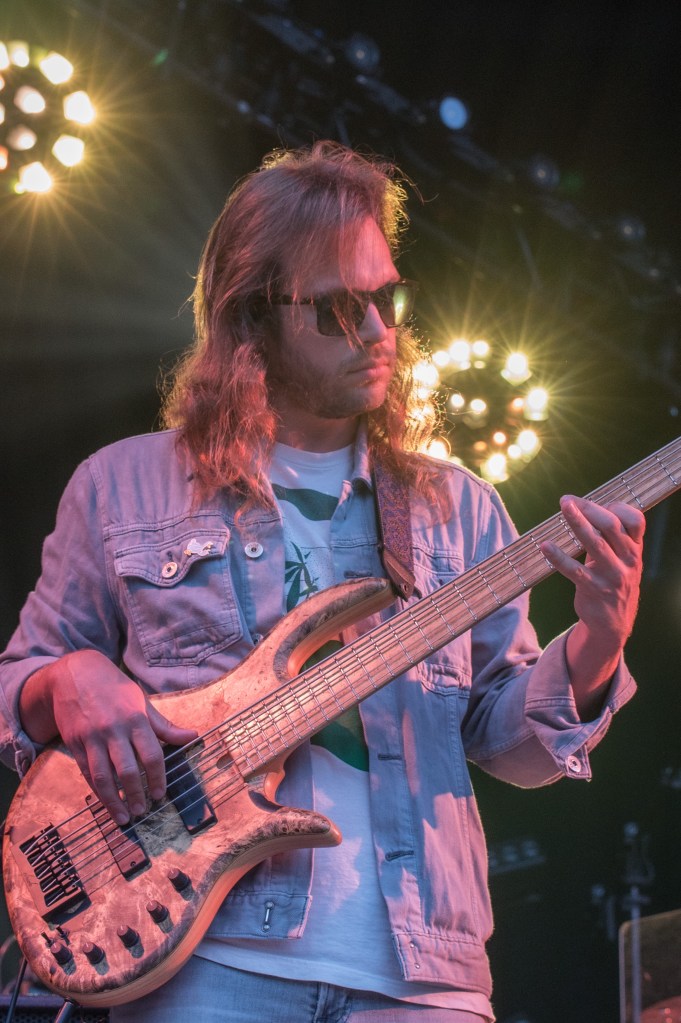
It’s no secret that the most notable member of many bands is the lead singer and often the lead guitarist. As such, you will naturally get sucked into spending a good portion of your time with your lens pointed at these musicians. This is especially true when you find yourself with access to the photo pit at a bigger show for the first time. It’s overwhelming and exciting and time goes very quickly. You can never go wrong though making sure you spend some time photographing other members of the band. These images will not only gain the appreciation of those musicians themselves but will also provide great additions to your portfolio and show the diversity in your creativity. You never know when you’re going to get access to a big show by messaging the bass player who may be a lot more accessible than the lead singer and seeing images of other bass players in your portfolio isn’t going to hurt.
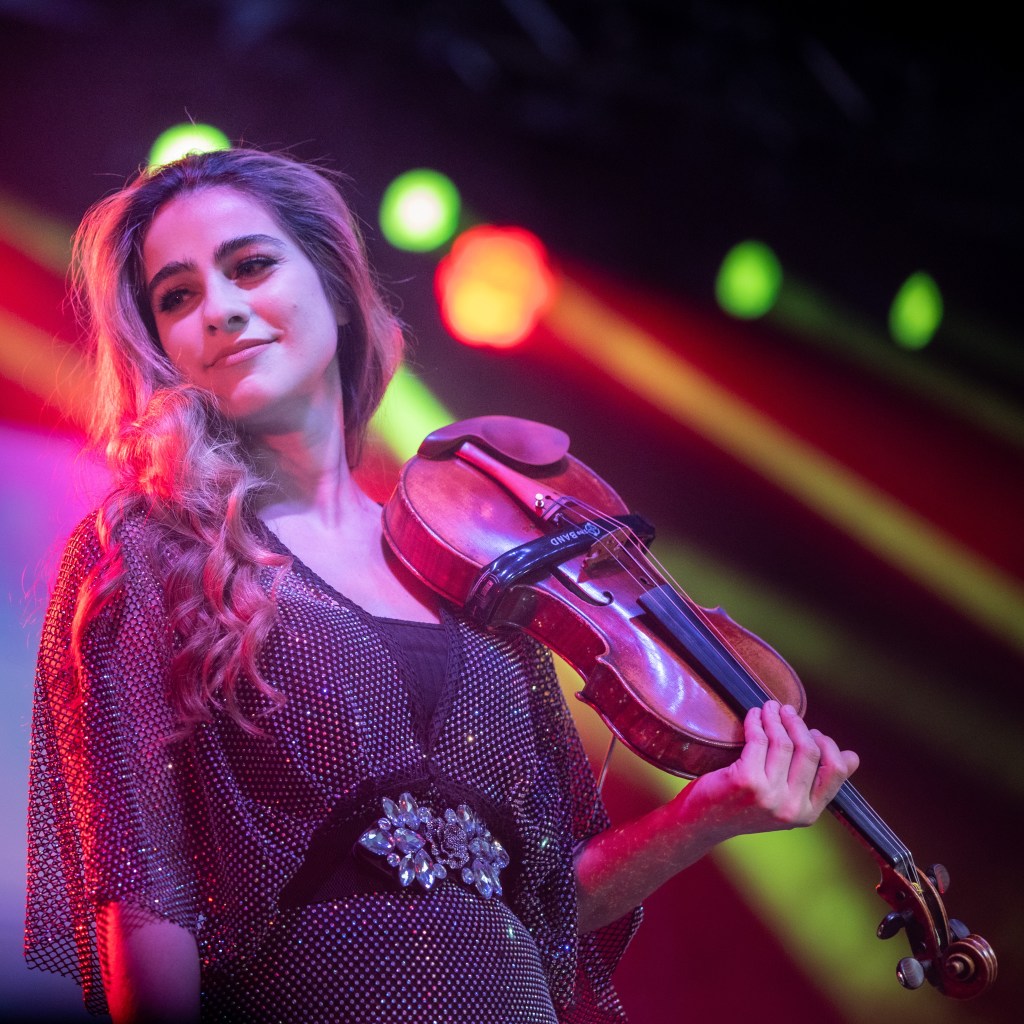
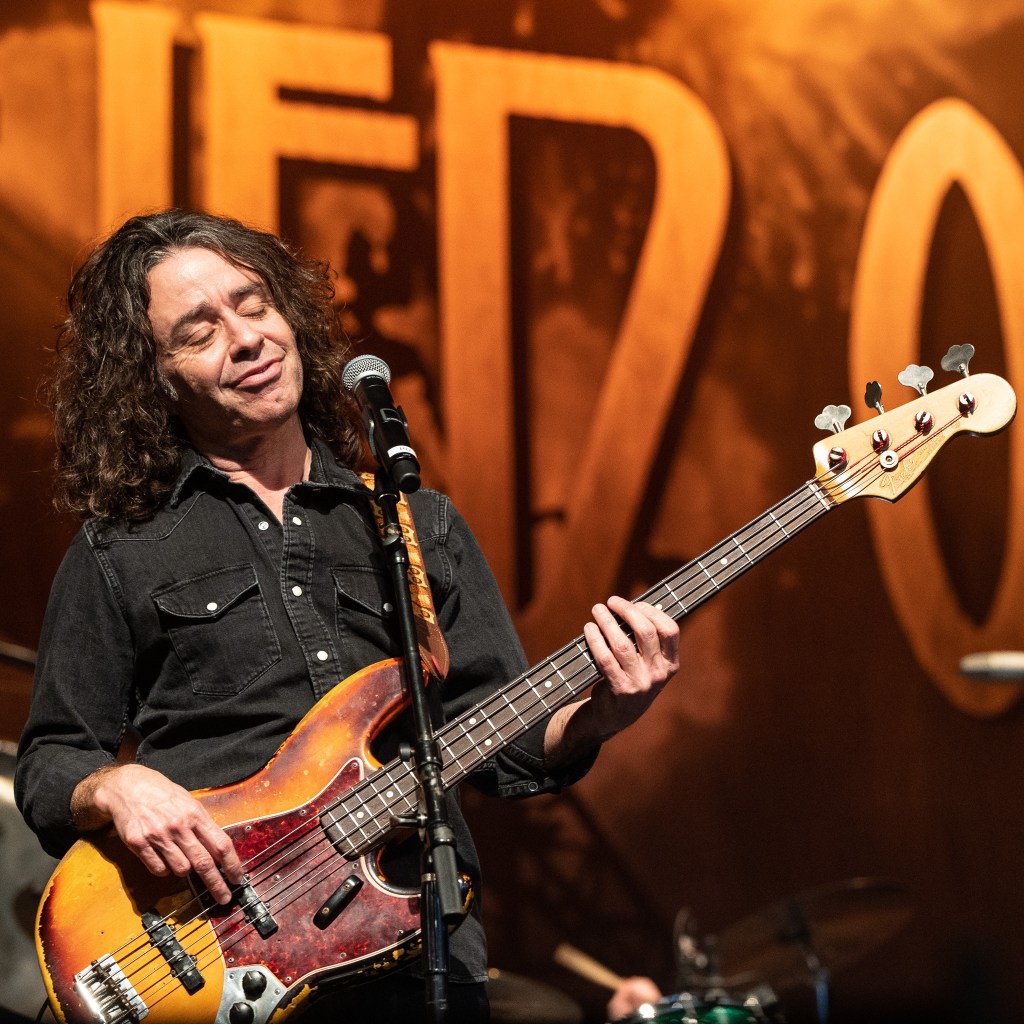
BONUS OBSERVATION 6 – Don’t expect to make a lot of money.
As exciting as it would be to make concert photography your full time gig, there are only a very few that actually do this successfully. It’s quite possible to get a full time position traveling with a band and getting on the payroll as “band photographer.” In my experience however, I’d say that being compensated for taking photos of musicians and bands is tough. In fact, it’s much more likely you’re going to end up sharing images with a band in exchange for entry to a show. Have I made some money selling some of my images? Yes, but in over two years of shooting, I’ve only sold a few. That doesn’t mean you should always give your images away for free, but realistically, if you’re planning to make concert photography a job it’s likely you’ll need to supplement it with a secondary source of income be it photography related or otherwise. That said, the fun that you can have being down front at a concert taking pictures of musicians, the crowd, and the environment that makes up a live music event, is priceless. And for those working hard at this for a living and producing amazing shots of great bands everyday, my hat is off to you. Keep on rocking and shooting!!
In summary, concert photography is a challenging and exciting genre that I’d highly recommend checking out if you’re a lover of music or just want to try something new. There is a ton of information on the internet providing tutorials, gear reviews, and suggestions on how to contact tour managers. My best advice is to start small and local, and build a portfolio to help you get a foothold on the next level of performance. Persistence and practice will definitely pay off.
To see more of my concert work past and present be sure to check out my images at the Music link on my site and follow me on Instagram @lindseymccutchanphotography. I’d love to hear your experiences with shooting concerts and any additional suggestions/observations you believe are important!
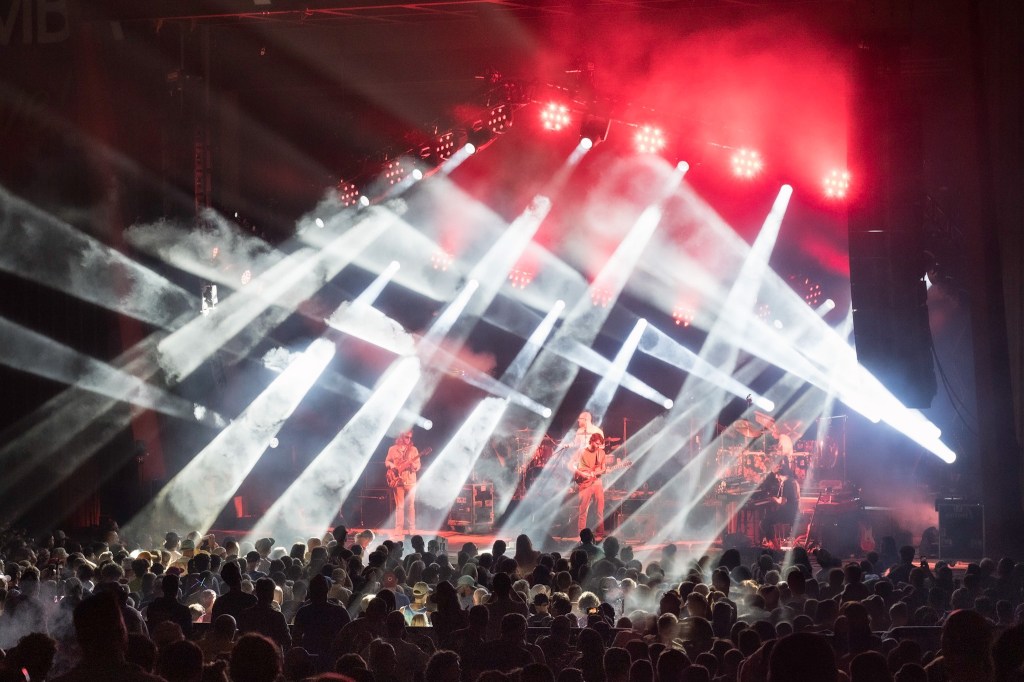
 Midwest Riff Review
I loved reading about this and will continue to follow you and your work. It’s all terrific.
LikeLike
Thanks Cindy!! Much appreciate the support!
LikeLike