

There’s a special kind of chemistry that happens when The Black Jacket Symphony takes the stage. A fusion of precision musicianship, nostalgic storytelling, and the kind of raw energy that can transport a roomful of people straight back to the moments when some of rock’s most classic albums first shaped their lives. And standing just out of the spotlight, quietly capturing every pulse of that magic, is tour photographer Rob Hereth.
I first met Rob a few years ago at The Midland Theatre in Newark, Ohio, where I was shooting as the house photographer during one of Black Jacket’s performances. Even then, it was clear that his work wasn’t just about documenting a show; it was about honoring the artistry of a band devoted to recreating the soundtrack of so many fans’ formative years. Rob’s images don’t just freeze a moment, they preserve the emotion behind it.
Black Jacket was in town again performing Bon Jovi’s 1986 masterpiece, “Slippery When Wet,” and I was able to sit down with Rob amid the late-day show prep for a conversation about life on the road, the craft of concert photography, and what it means to visually tell the story of a band that has mastered the art of bringing iconic music back to life.


Midwest Riff Review: Hey Rob, it was probably three years ago now when you and I first connected here at the Midland at a Black Jacket Symphony show. You’ve always been an inspiration to me photographically, and a big help as I got started taking photos at shows. Can you tell our readers a little bit about how you got started?
Rob Hereth: Yeah, well, my dad was into photography and so was my grandfather, but I didn’t really pick up a camera myself until I was an adult. I initially got into photography because I was chasing a girl. It turned out I was pretty good at it. Photography, that is, not girls. I immediately got into concert photography after I went to see a band called Mutemath. I snuck my camera in there to see if I could get some pictures of the show, and it turned out pretty well. I was really happy with what I got, and was like man, I wanna do that again. It just so happened that I won a contest for my favorite band, 311. It was a radio thing and the prize was a photo pass, and I’m like, cool!
MRR: Oh, that is cool. So when was that?
RH: Oh gosh, that must have been 2013, something like that.
MRR: So tell me about that 311 show.
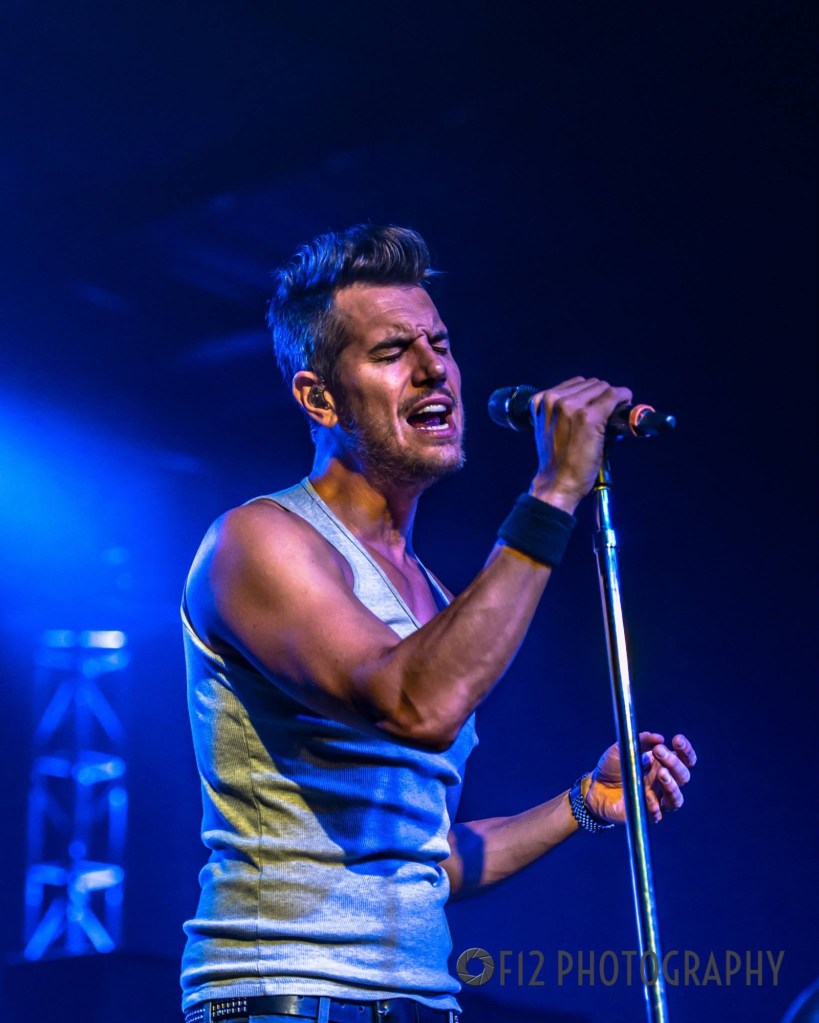
RH: Yeah, they put on a hell of a show and I got to photograph the whole thing and I sent the photos to 311’s manager and the venue, which was Track 29 in Chattanooga. The venue got back in touch with me and said, man, these are great! They asked me if I wanted to be in their pool of photographers, and I was instantly, I sure do! So that was what really got me started. I wasn’t expecting to be making a lot of money out of it. It was just a way for me to see free shows and maybe make a little beer money.



MRR: So were you living in Chattanooga at the time?
RH: No, I was in Huntsville. That’s been home for the better part of my life.
MRR: What came after the Track 29 work?
RH: Well, I got a hold of a buddy, Dave, who was a guitar player in Huntsville. Really, he was royalty in that scene who used to play with Black Jacket and I heard the band was doing a Led Zeppelin show. I asked him, you know the manager right, figure this out for me, I want to shoot that Zeppelin show. And so he did. I got to meet Jason, the band’s manager, and I got to shoot the show. After that I was just doing some fill in work for them and then around April 2016 they were like, hey, you wanna come out for a weekend with us? And of course I said yeah, and that weekend he asked if I wanted to do it again the following weekend, and so here I am. I’ve been doing it for about 10 years now.
MRR: That’s terrific, very cool.
RH: Yeah, I just kind of tripped and landed the gig (laughing).
MRR: Have you had an interest in photographing subjects other than concerts?
RH: Well, before the concert photo pass experience, I was trying to make a living as a real estate photographer. I actually have a realtor that I shoot for three or four times a year when it works into my schedule. But I was also doing anything and everything I could get my hands on. I was shooting high school football games, various events in and around Huntsville, and I worked for apartments.com briefly before they got bought out.
MRR: So tell me a little bit about what it’s like being full time with a band like Black Jacket. I mean they’re out on tour for several weeks at a time right?
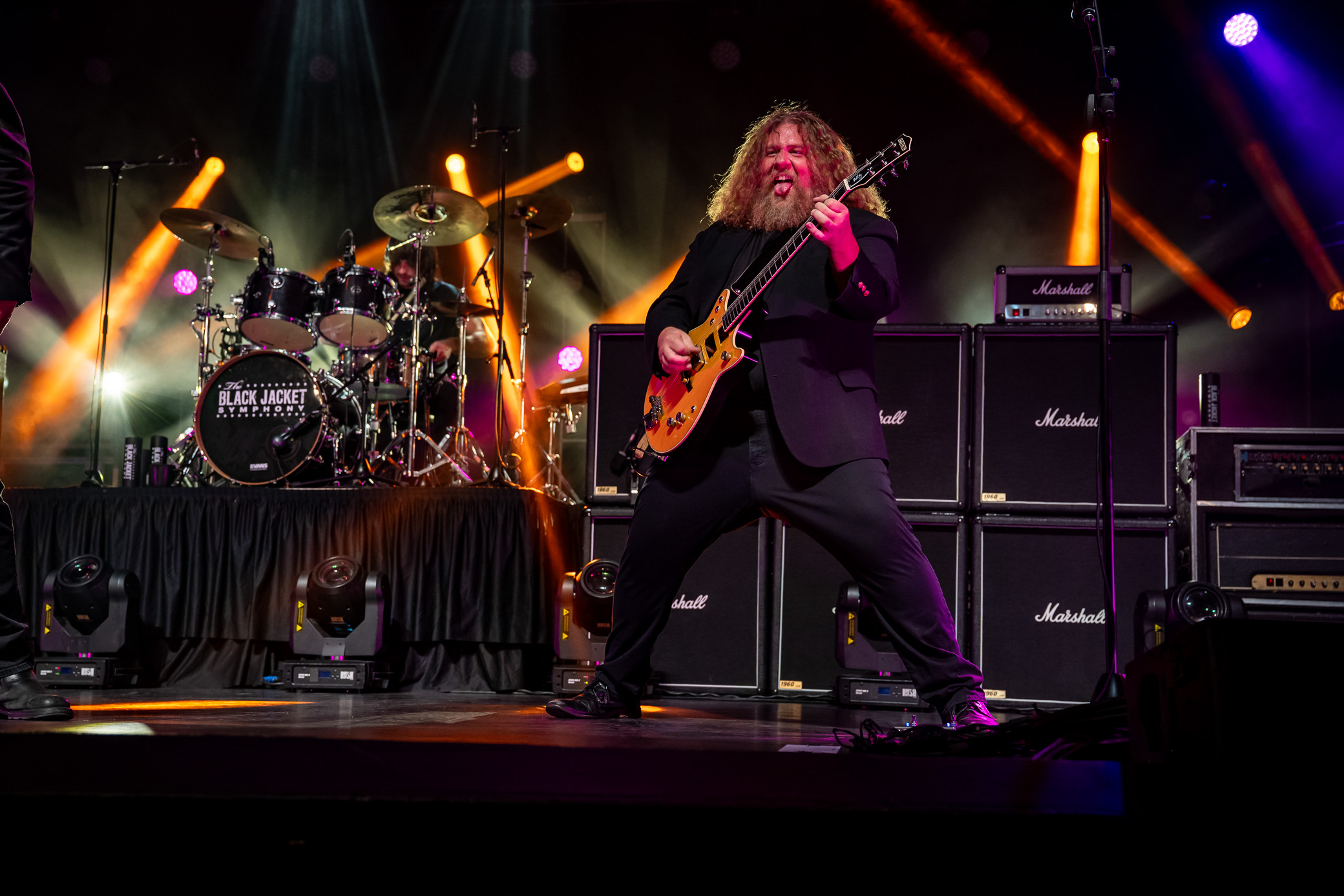

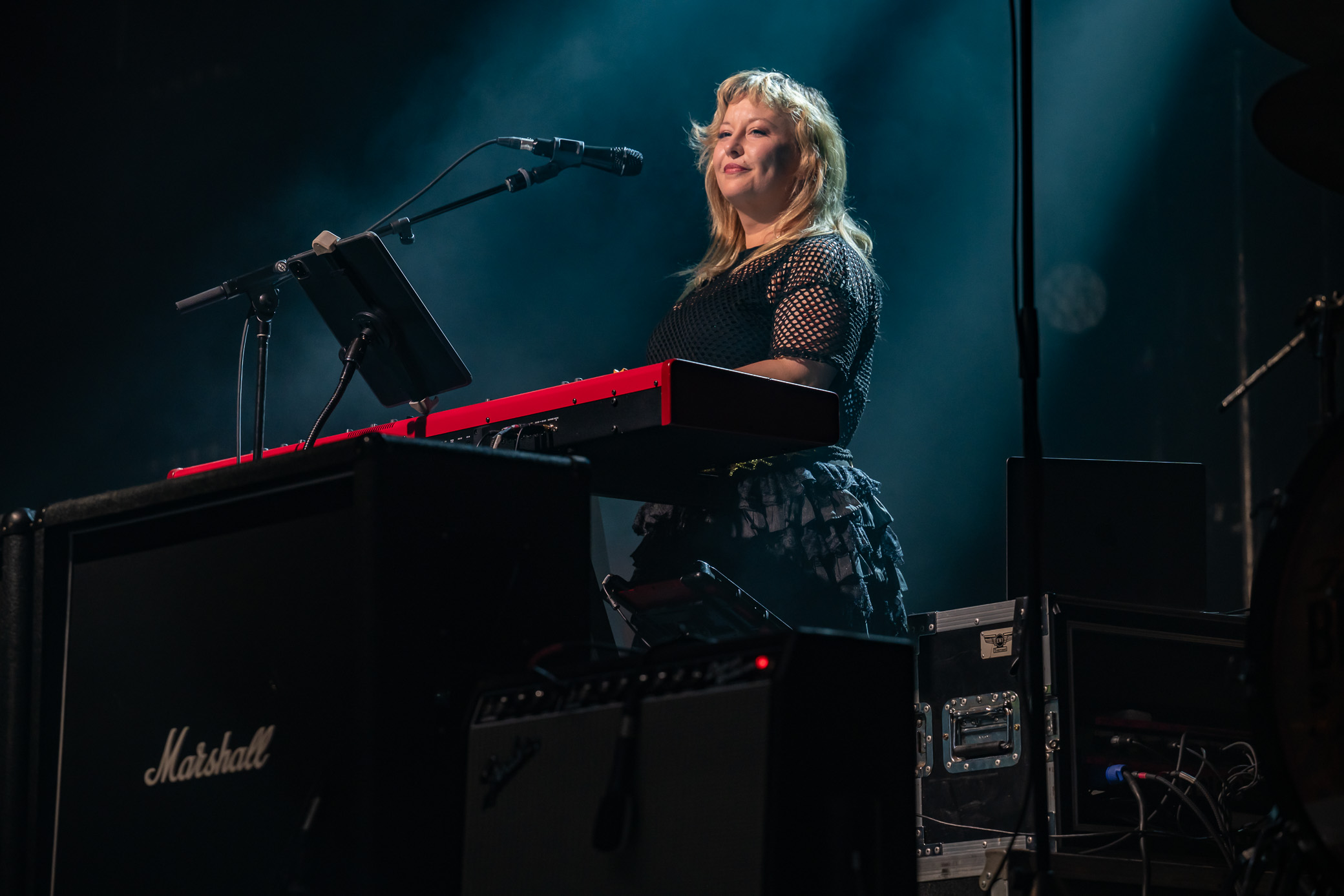

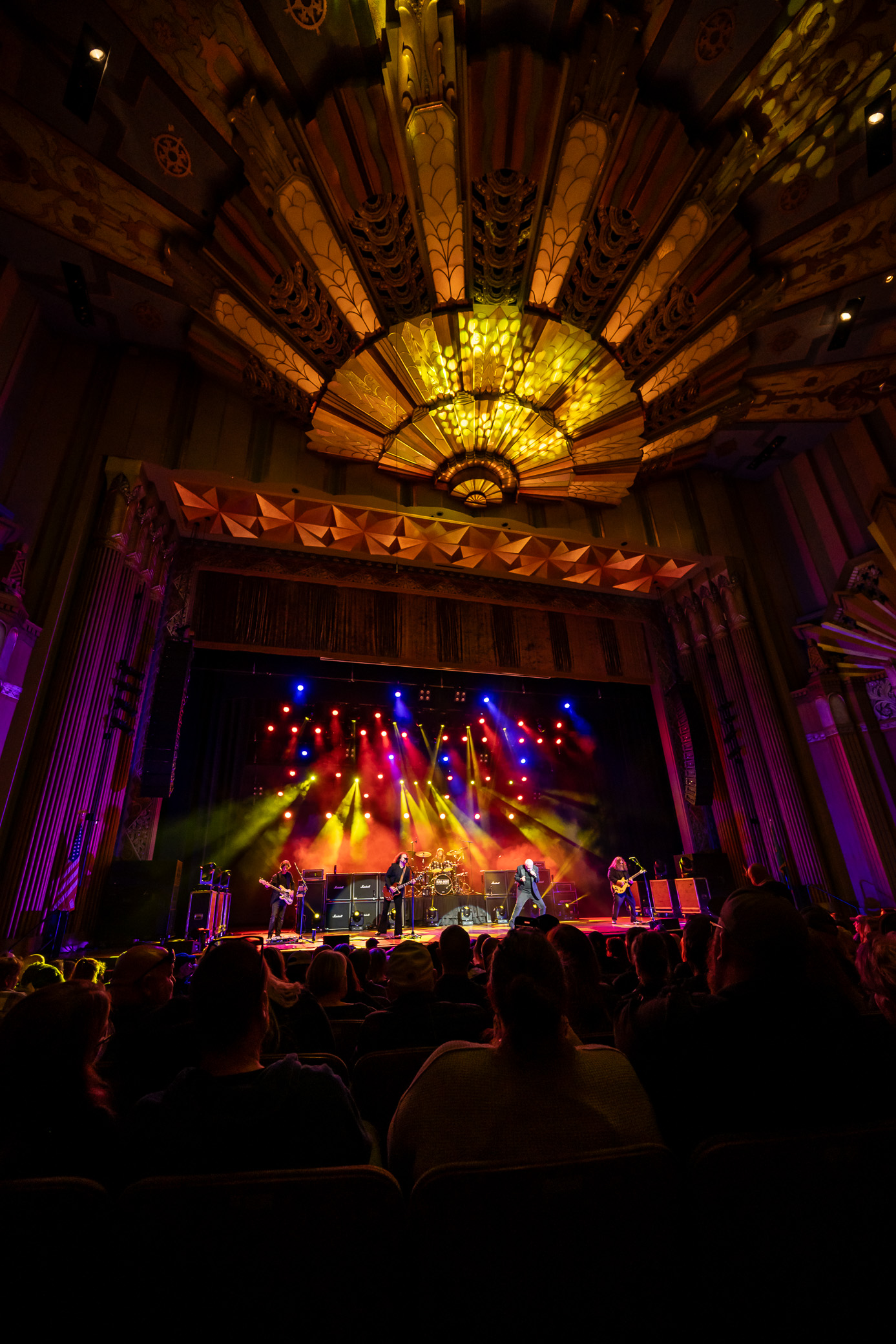
RH: Yeah, we do two big tours a year and we’re gone for about five weeks, and then most of the rest of the year it’s usually just a weekend gig. But we stay busy. There are about 105 or 110 shows a year.
MRR: Oh man, and you’re shooting every single one of those?
RH: Uh-huh. But we have a hoot. We’re all a pretty tight knit bunch, a family just about. I mean it’s a whole lot of work, but it’s fun. In addition to the photography, I set up the band’s merch which takes up a good part of the day. Setting it up, counting pieces and settling with people at the end of the night. But it’s great, a lot of tour photographers are doing something else. It’s not all photography all the time. Unless you’re a big arena tour photographer, you’re not likely going to just be able to shoot.
MRR: So when it comes to the photo work for shows, how many images would you say you capture a night, and do you have deadlines you have to meet with the band?
RH: Well, I’m shooting with two bodies now, so I’m taking more than I used to. I probably grab fifteen or sixteen hundred images a night. I then whittle that down to 130ish that I’ll deliver, something like that. And I don’t have a deadline really, but I like to get all of the night’s images processed before I go to bed. It can take me four or five hours sometimes start to finish.

MRR: Your work has a really consistent look to it. It’s very recognizable and technically great. When you’re doing post do you have presets that you’ve created for yourself to speed up process or do you literally adjust each image individually?
RH: Oh no, I’ve got a preset that I usually add to everything. It basically just bumps clarity, dehaze, and noise reduction and a couple of other things here and there. It’s something that I started noticing that I do to every single photo, and so I was like, I should just get all of this out of the way at once. And after I do that initial preset, I can pick through them and pull out the ones I really want to edit. I might look at one and want to monkey with it, others look terrible so I skip them, and I can usually get it all down to 200 or so that way. I’m definitely a little bit more strategic about it than I used to be, yeah.
MRR: Have you ever messed with any other styles through your career? Sometimes you see photographers using slow-shutter speeds or double exposure. Have you ever dabbled in anything like that?
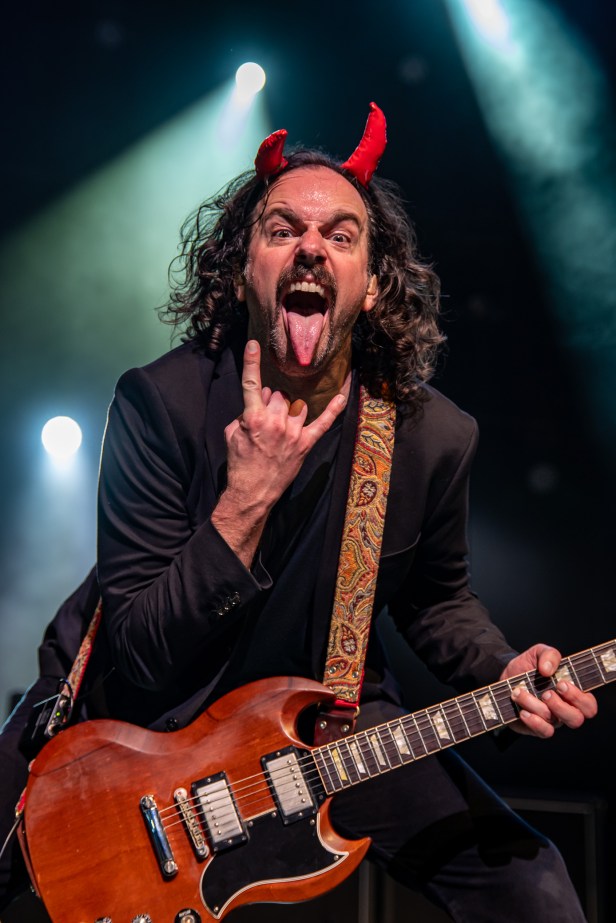
RH: I’ve never messed with any of that. The Black Jacket shows are so vibrant with the lights I really just want things to look as real as I can. I have done some stuff like color selection if I’ve noticed Ben our guitar player with his really red SG in just the right lighting can jump out at you. So I may mess with desaturating everything to turn the image other than the guitar black and white. It can be a cool look if the lighting is right and you don’t have to spend a whole lot of time monkeying with it.
MRR: How about filters?
RH: Not aside from a UV filter as far as the concert stuff goes. I just feel messing with all that takes too long. I’m looking around a lot during the show and shooting to not miss moments. Even changing lenses for me takes too long which is why I’m carrying around two bodies. If I’m digging around in a backpack for filters and other things, I’m not shooting. And if I’m not shooting, I’m gonna miss something. So that’s basically been my philosophy.
MRR: Do you find it an advantage to be working with just one band from the standpoint there are things you know are going to happen at certain times of a show that you look to capture?
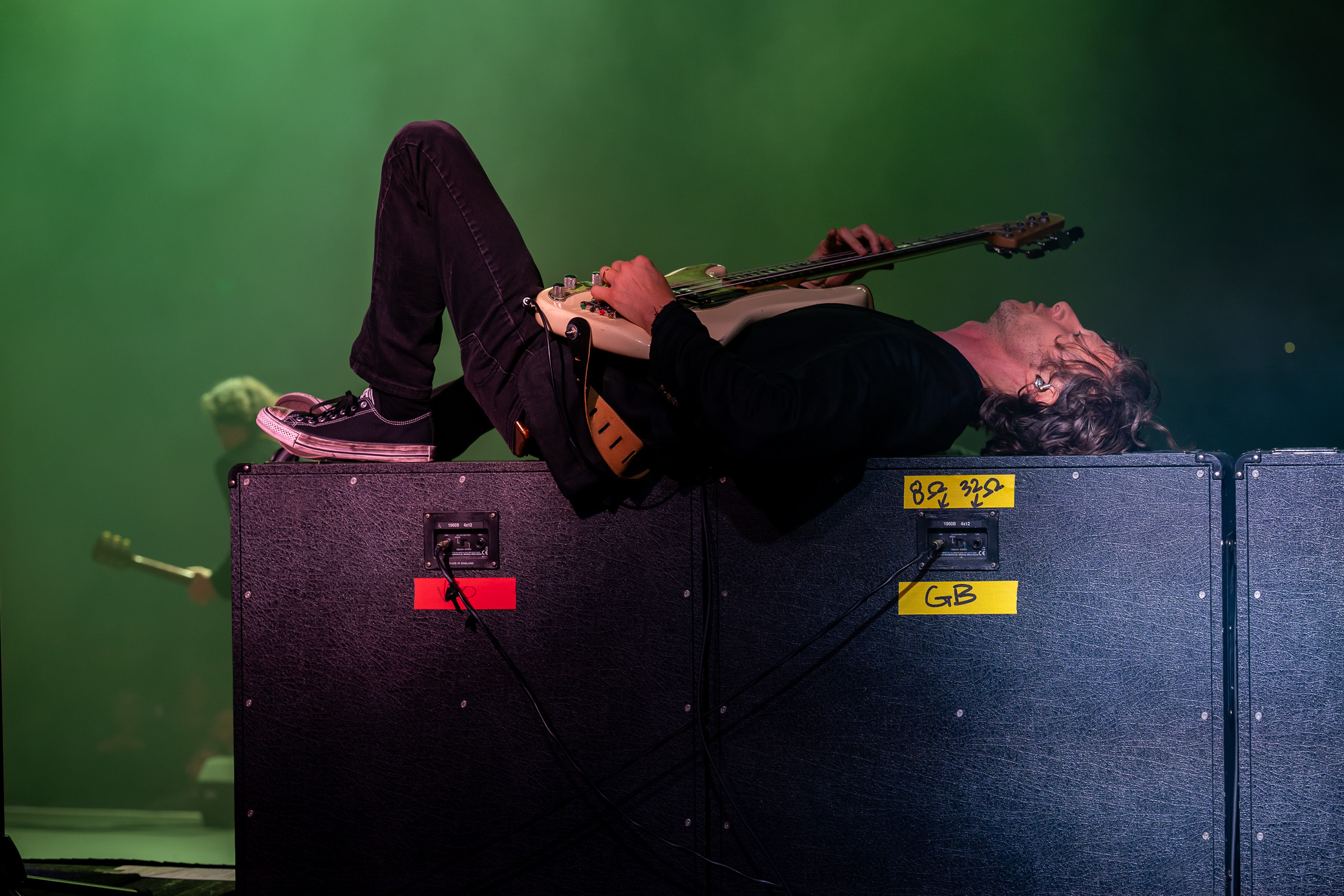
RH: Definitely, like throughout a tour, I guess probably it takes two or three shows before I can really say that I’ve seen all of it and know where the big moments happen. The big look for the lights and stuff. And yeah, touring with the same group of people, you have a connection and they see me wandering around out in the audience and ham it up for me. It’s a great time, I mean those guys are my friends so it makes it a lot easier. There’s a lot more connection which I think translates to my photos. My philosophy is, I want you to feel like you’re in the front row. I want whoever I’m shooting to be looking right at me so it’s like they’re looking at you through your screen.


MRR: How about audience shots? Do you ever shoot the people at the show, or typically stick to the band?
RH: During every show, I’ll try and get some big, wide shots to make the venue look as full as I’m able. When shows are sold out that helps a lot because you can shoot from about anywhere and have it look packed. But if there are 3 or 4 seats empty in a section, I’ll find a different spot to shoot from so the place looks full. As far as individual people, I don’t do that very often. If someone asks me to take a photo I will, but that’s generally not what I’m focusing on.

MRR: So I always try and ask photographers what advice they may have for people that are trying to break into this, what nuggets of wisdom would you share?
RH: First and foremost, I think you have to love it. You have to want to work really hard for a really long time before you can make any money at it. If you’re looking to break into the business, you’ve got to be able to put yourself out there a lot and go to a lot of shows for no pay and just put the work in basically. Having a portfolio definitely helps with all kinds of artists, all different looks, and all different kinds of music. Having a social media presence certainly helps even though it’s hard to keep up with it and post things regularly.

MRR: Ok, my last question. Are there any concert photographers that you admire, follow that are inspirations?
RH: A couple of buddies of mine whose work I like are Mike Matthews, a Huntsville guy, and Bud Gambrell is another one. I don’t know if you’d call him an inspiration but I do really like his work. I look to them to pull me out of a rut, ’cause they get to shoot a really wide variety of shows. It helps to break out of a rut you might find yourself in shooting a lot of the same images at shows. I really like Britt Bowman, she’s killer. I know she’s toured with Disturbed. And, Josh Weichman, he’s a Birmingham guy.
MRR: Well, it’s a show day so I know you’re busy Rob, but I really appreciate you taking the time to chat with me.
RH: Of course, I’m happy to do it.
Thanks to everyone for reading the latest installment in this series. I think you’d agree that Rob’s path might have started accidentally, but the dedication behind it is clearly anything but. His work with Black Jacket Symphony shows what happens when talent meets persistence, and when you simply love what you do. Be sure to check out Rob’s work on social media and if you have the chance, catch a Black Jacket Symphony show and introduce yourself to Rob. If you have thoughts on other photographers you’d like to hear from, or if you have tips/suggestions for others interested in breaking into this work, leave a comment below.

 Midwest Riff Review
Leave a comment