
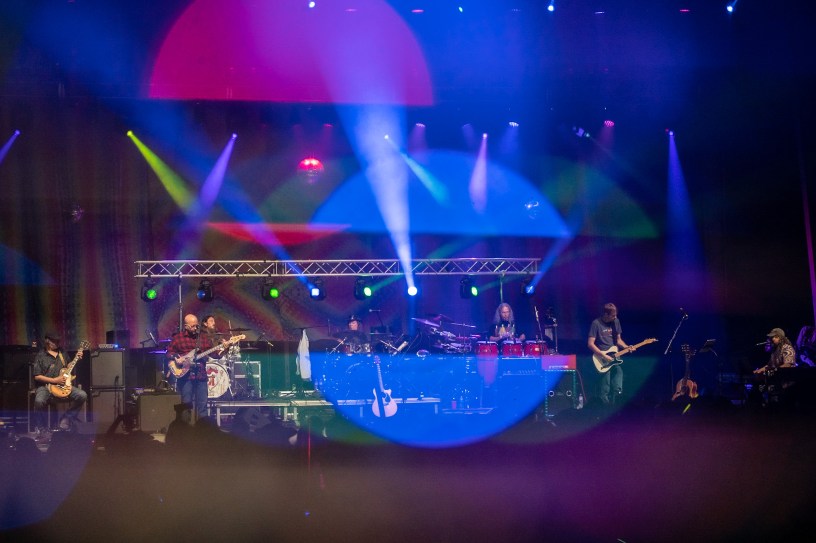
As I began to delve deeper into concert photography, I noticed some interesting effects in images on the sites of other photographers that intrigued me.
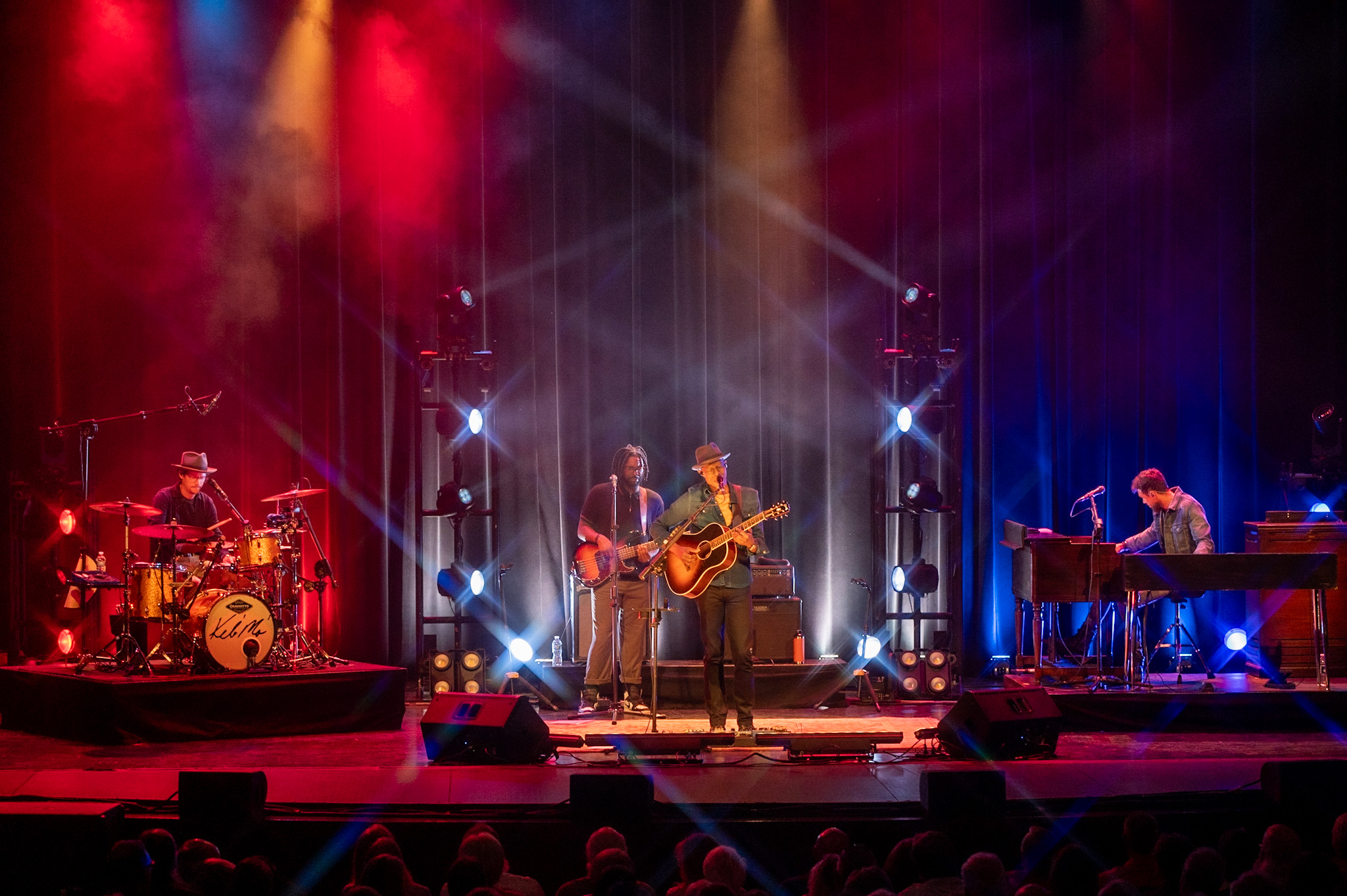
The internet is filled with information on how to achieve various effects from Photoshop hacks to screw on lens filters. I’ve tried both, and I have to say that a physical filter is by far easier for most image effects although can be pricey. What follows is my assessment of my experience with physical lens filters. Perhaps in the future I’ll have more to say about Photoshop layered effects.
There are a number of companies that make effects filters for lenses and the prices can range from relatively cheap to outrageously expensive. I will say that like most things, you get what you pay for so spending a bit more if you can afford it will prevent you from double spending if you’re not happy with a cheaper first start. The filters I’ve been using with some fairly good success have been from Prism Lens FX. The filters come in various thread sizes to match your lens threads, but they also sell a converter ring that will enable you to use a single filter on multiple lenses with different thread sizes. For example, my 70-200mm zoom has 77mm threads and my 24-70mm zoom has 82mm threads. I bought a 77-82mm step-up ring so that I can buy exclusively 82mm filters and use them on all on both lenses.
My go effects filter is the Prism Lens FX Starburst 82mm. It gives really nice star patterns from stage spots to add some “flare” and depth to an image.

Some of the best use of these effects in my opinion are subtle starbursts from spotlights or bright flashes coming off a performer’s instrument. These effects tend to look more natural without being over the top and can add some punch to an otherwise bland image.

The same effect can be used with a performer’s clothing if the artist is wearing something flashy and reflective that reacts with stage spots.

One of the more subtle filters I’ve used, also from Prism Lens FX is their Dream filter. It can be used for any type of photography to produce a dreamy effect that in some situations will really enhance an image without having to use over-processed social media filters. Below is example of an image with just the Dream filter used.

Other interesting filter types are Halo and Prism filters. These can create some really great effects, especially with multicolored spot lights on a stage with the performers. These work even better with zoom lenses which will greatly increase the amount of effect you get. The image below is an example of the effect from a Halo filter.

A Caution: The biggest piece of advice I would give when it comes to using filters is that a little can go a long way. At times, the results can be very subtle, but they can also be way over the top. Be sure to experiment, but also know when too much too much. Depending upon the effect you’re trying to achieve, some heavy filter results may be just what you’re looking for but you also want to avoid being too “gimmicky.” The image below is one I took at a recent music festival. It shows just how overly dramatic the results of some of these filters can be. This isn’t an image I’d share back with a band in a portfolio.

Do you use filters for your concert and event photography? What are your favorite effects? Share your thoughts in the comments.
 Midwest Riff Review